Citizen Science Projects: How Ordinary People Are Contributing to Research
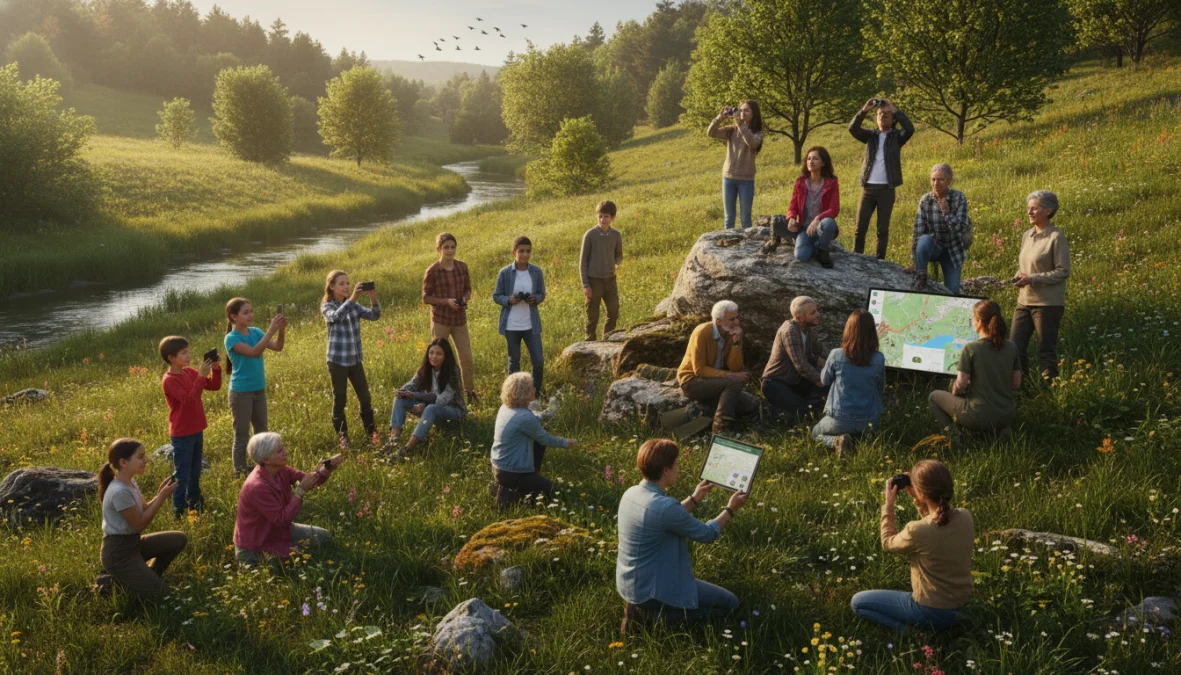
Ever wondered how scientists manage to track migrating butterflies across continents, or classify millions of galaxies lurking in deep space? The secret isn’t just more funding or bigger labs—it’s citizen science projects that harness the collective power of ordinary people like you and me. From your living room couch to your backyard, everyday folks are making real contributions to cutting-edge research, and the results are nothing short of remarkable.
What Are Citizen Science Projects and Why They Matter
At its core, citizen science projects involve public participation research where volunteers collaborate with professional scientists to gather, analyze, or interpret data. It’s not a new concept—amateur astronomers and naturalists have contributed to science for centuries—but the digital age has turbocharged these community science initiatives into a global movement.
Why does this matter? Traditional research often faces limitations: not enough hands to collect data across vast geographical areas, insufficient funding for large-scale studies, or simply the impossibility of monitoring phenomena 24/7. Enter citizen scientists, who collectively provide millions of observations that would be impossible for any single research team to gather. Studies show that citizen science contributions have led to over 200 peer-reviewed publications annually, with projects like eBird amassing more than a billion bird observations worldwide.
The benefits flow both ways. Scientists gain massive datasets and distributed monitoring networks, while participants develop scientific literacy and outreach, connect with nature, and experience the genuine thrill of discovery. Some projects have led to entirely new species being identified, exoplanets being discovered, and crucial environmental trends being documented. It’s democratizing science in the most practical way possible, proving that you don’t need a PhD to make meaningful contributions to human knowledge.
Popular Citizen Science Platforms and How to Get Started
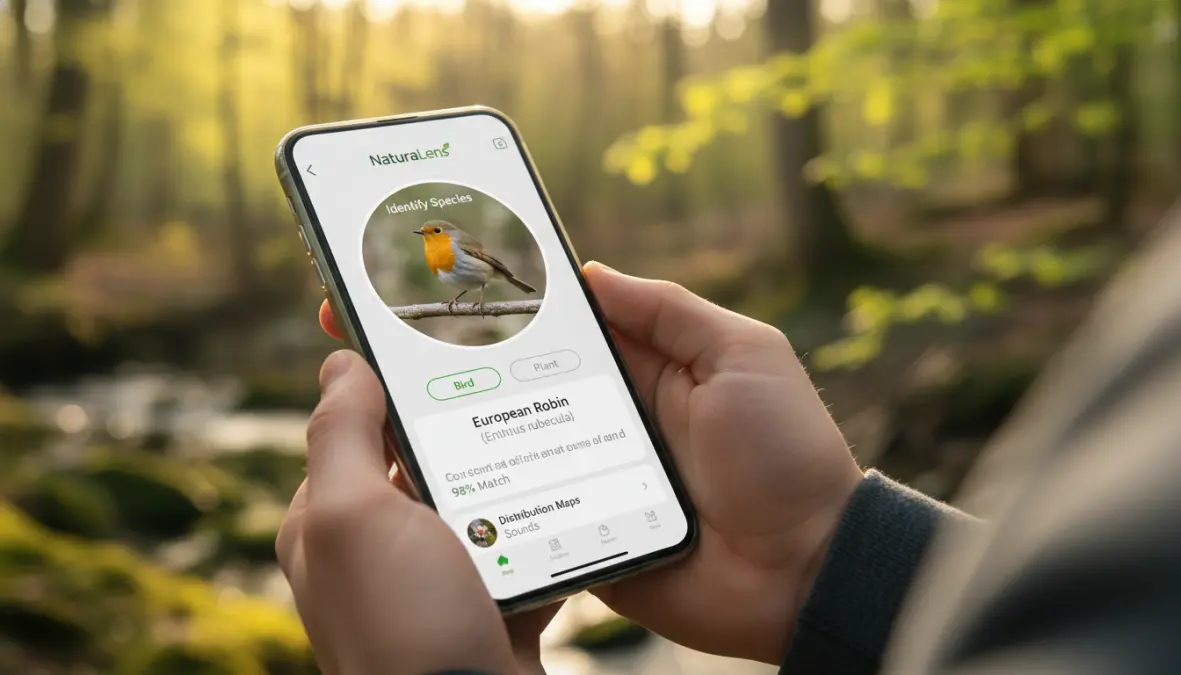
If you’re wondering how to get involved in citizen science projects, you’ll be pleased to know there are numerous citizen science platforms designed to welcome newcomers. Zooniverse stands as the world’s largest platform for online volunteer research projects, hosting everything from classifying penguin colonies in Antarctica to transcribing historical documents. iNaturalist lets you document wildlife observations using just your smartphone, contributing to biodiversity research while learning about the species around you.
For bird enthusiasts, eBird (managed by the Cornell Lab of Ornithology) transforms birdwatching into crowdsourced science, creating real-time maps of bird distributions. More game-inclined? Foldit challenges players to solve protein-folding puzzles that help medical research—you’re literally playing video games for science. Getting started is typically straightforward: create an account, browse available projects, read the tutorial, and start contributing. Most platforms offer citizen scientist opportunities that require just a few minutes or can engage you for hours, depending on your interest and availability.
Types of Projects You Can Join
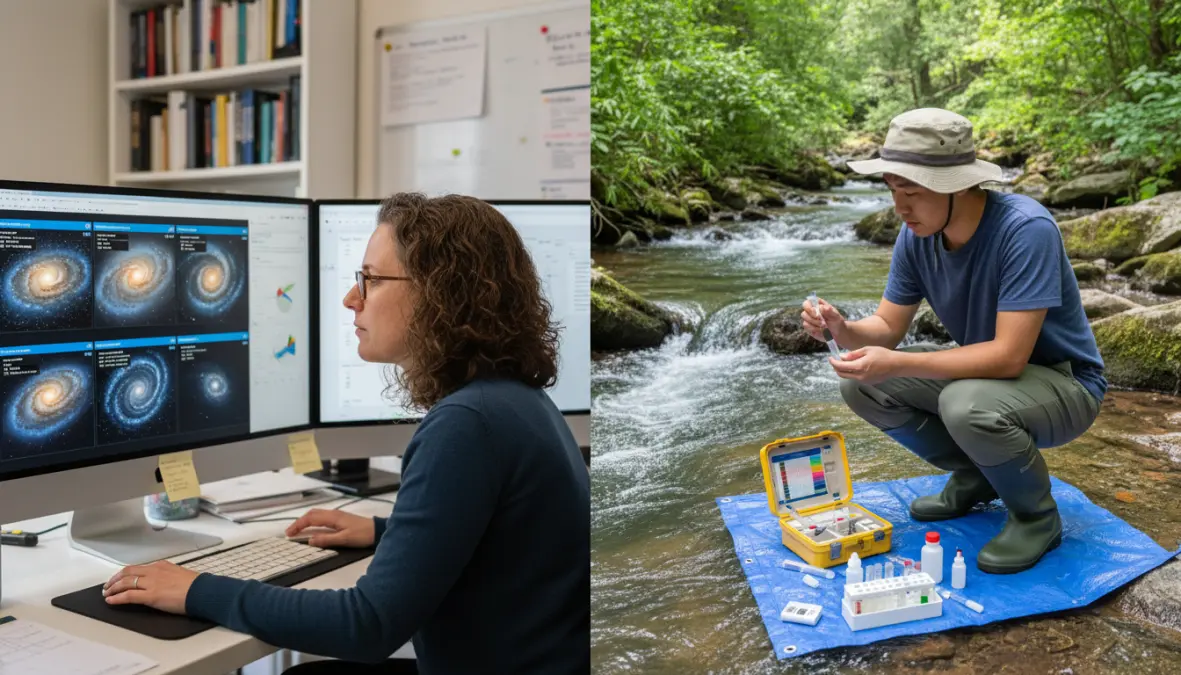
The diversity of citizen science projects you can do from home is staggering. Observation and data collection projects include wildlife monitoring (tracking monarch butterflies, documenting marine debris), astronomy (searching for asteroids, classifying stellar objects), and environmental citizen science projects near me like water quality testing in local streams.
Analysis and classification projects let you examine images or data that computers struggle with but human brains excel at—like Galaxy Zoo, where volunteers have classified millions of galaxies, leading to significant astronomical discoveries. Gaming science projects like Foldit or EteRNA turn complex scientific problems into engaging puzzles. Community-based monitoring initiatives focus on local environmental issues, from air quality measurements to phenology studies tracking when plants bloom in your neighborhood.
Some projects operate globally (like classifying images from anywhere), while others need local participants (monitoring specific ecosystems or collecting geographical data). Many of the best citizen science projects for beginners include species identification apps, simple classification tasks on Zooniverse, or contributing to air quality mapping projects.
Skills and Equipment You Need
Here’s the good news: most participatory research projects require zero specialized skills to start. If you can use a smartphone or click a mouse, you’re already qualified for hundreds of projects. Many citizen science apps for data collection guide you step-by-step through the process, with built-in tutorials and community forums to answer questions.
Equipment needs vary by project. For digital classification projects, you need only a computer and internet connection. Birdwatching projects benefit from binoculars but work fine without them. Environmental monitoring might require basic supplies like sample containers, often provided by the project. Time commitment is flexible—some tasks take 30 seconds, others might engage you for an afternoon. Most platforms provide training materials, and you’ll naturally improve as you contribute. The journey from confused beginner to knowledgeable contributor happens faster than you’d expect, and the learning process itself is rewarding.
The Impact of Collaborative Research Programs on Science
The impact of citizen science on research extends far beyond feel-good participation—it’s producing genuine scientific breakthroughs. Successful citizen science project examples include Planet Hunters, where volunteers discovered several confirmed exoplanets that automated algorithms missed. The Christmas Bird Count, running for over a century, provides invaluable data on bird population trends and climate change impacts.
During the COVID-19 pandemic, collaborative research programs like Foldit@Home contributed to understanding viral proteins, while symptom-tracking apps gathered data from millions. Amateur scientist contributions to projects like iNaturalist have documented invasive species spread, helping conservation efforts respond quickly. The data quality from well-designed citizen science projects often matches professional collection methods, thanks to validation protocols, consensus requirements, and expert review.
Publications resulting from crowdsourcing scientific data appear in top-tier journals like Nature and Science. The future looks even brighter as open science initiatives integrate AI to handle routine pattern recognition while humans focus on nuanced judgment calls. Mobile technology and improved connectivity mean data collection volunteers can contribute from virtually anywhere on Earth, creating unprecedented opportunities for global monitoring and discovery. Just as citizen engagement is transforming personal health optimization, public participation is revolutionizing how we conduct research.
FAQ
Do I need a science degree to participate in citizen science projects?
Absolutely not. Most projects are designed for complete beginners and provide all necessary training. Your fresh perspective and enthusiasm are often more valuable than formal credentials.
How much time do I need to commit?
It varies widely. Some tasks take just minutes, while others offer deeper engagement for those who want it. There’s no minimum commitment—contribute when you can, as much as you enjoy.
Are my contributions really valuable to scientists?
Yes. Researchers rely on citizen science data for publications, conservation decisions, and policy recommendations. Your observations become part of permanent scientific records that shape our understanding of the world.
Can children participate in citizen science projects?
Many projects are family-friendly and educational. They’re excellent for developing scientific thinking and environmental awareness in young people, though some projects have age recommendations for data quality reasons.
How is data quality ensured?
Projects use multiple validation methods: consensus (multiple people verify the same data), expert review, automated checks, and training modules. Well-designed citizen science produces research-grade data that meets scientific standards.
Whether you’re passionate about protecting biodiversity, fascinated by distant galaxies, or simply curious about the world around you, citizen science offers a meaningful way to contribute to humanity’s collective knowledge. The barrier to entry has never been lower, and the potential impact has never been greater. Pick a project that sparks your interest, create an account, and start exploring. Who knows? Your next observation might be the one that changes everything.