How Microplastics Are Entering Our Bodies and What Science Says About the Risks
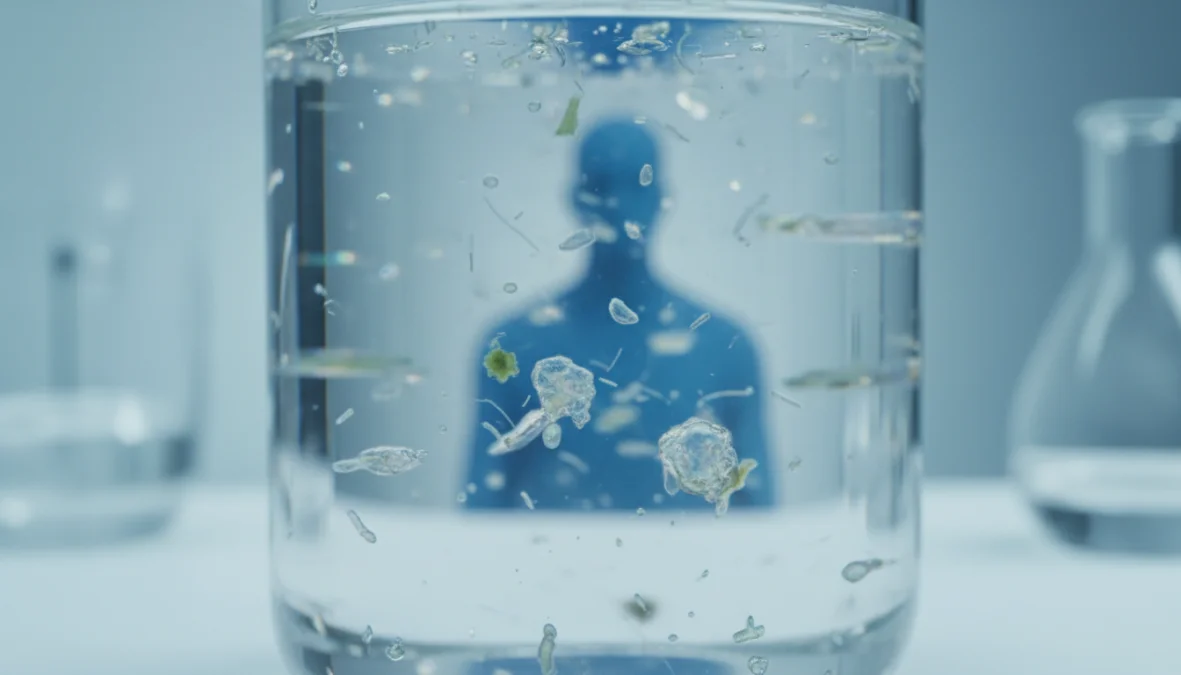
Every week, you’re likely consuming the equivalent of a credit card’s worth of plastic—about five grams of microplastic particles. Yes, you read that right. These tiny fragments have infiltrated virtually every corner of our planet, from the deepest ocean trenches to the air we breathe, and now, alarmingly, they’re showing up inside our bodies. While microplastics health effects are still being studied, emerging research is raising serious questions about what this constant exposure means for our long-term wellbeing. Let’s dive into what science currently knows about these invisible invaders.
What Are Microplastics and How Do They Enter the Human Body?
Microplastics are plastic fragments smaller than 5 millimeters—roughly the size of a sesame seed or smaller. Nanoplastics are even tinier, measuring less than 1 micrometer, making them virtually invisible to the naked eye. These polymer particles come from various sources: degrading larger plastic items, synthetic clothing fibers that shed during washing, tire dust from roads, and microbeads once common in cosmetics.
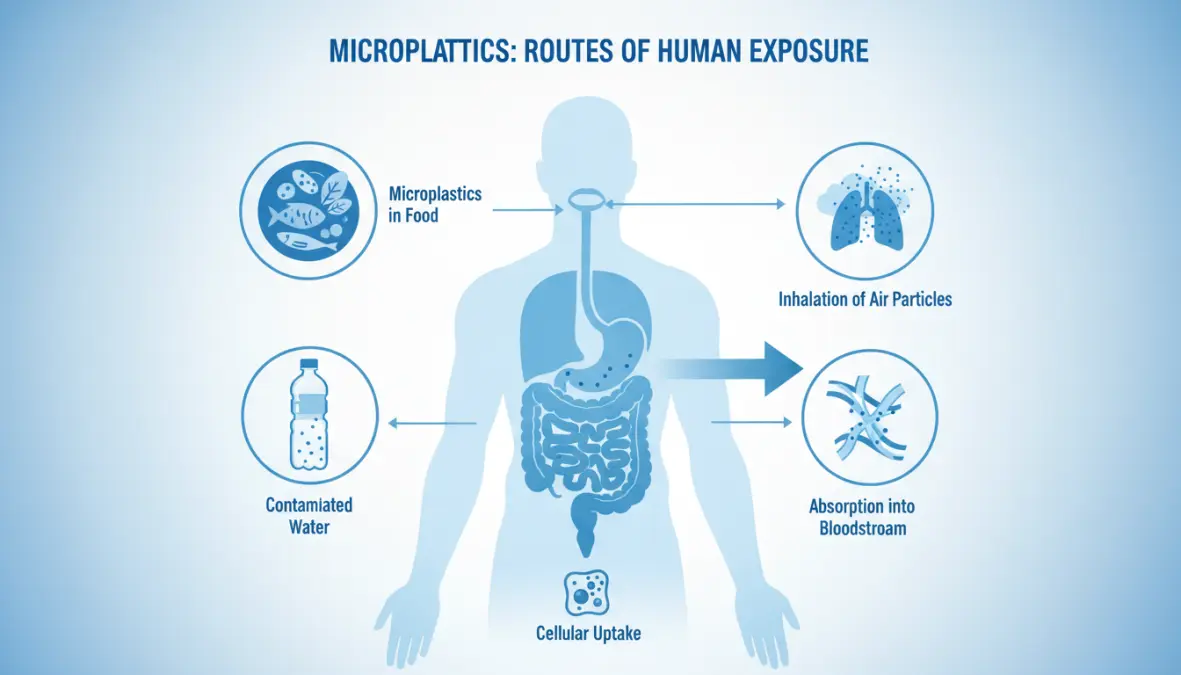
Understanding how do microplastics enter the human body requires looking at our daily routines. The primary routes of microplastic exposure include ingestion, inhalation, and potentially skin contact. We ingest them through contaminated food and water—studies have found microplastics in bottled water, tap water, sea salt, seafood (especially shellfish that filter water), beer, honey, and even fruits and vegetables. The microplastics in human body accumulation happens gradually through these multiple pathways.
Research suggests the average person ingests between 0.1 to 5 grams of microplastics weekly, though estimates vary widely. Drinking water alone may contribute 1,769 particles annually for Americans who primarily consume tap water, while those drinking exclusively bottled water might ingest an additional 90,000 particles yearly. Food chain contamination amplifies the problem through bioaccumulation—when fish consume contaminated organisms, the plastics concentrate as they move up the food chain, eventually reaching our plates.
We also breathe in microplastics suspended in indoor and outdoor air. Synthetic textiles, carpets, and everyday household items constantly release fibers that float invisibly around us. Food packaging represents another significant source, as hot liquids or foods can cause plastic containers to leach particles directly into what we eat.
Microplastics Health Effects: What Scientific Research Has Discovered
The discovery of microplastics in bloodstream samples marked a watershed moment in understanding plastic pollution health risks. Scientists have now confirmed the presence of plastic particles organs throughout the human body, revealing that these contaminants don’t simply pass through our digestive systems—they penetrate deep into our tissues.
The mechanisms of microplastic toxicity appear multifaceted. Beyond the physical presence of plastic fragments, the real danger may lie in the chemical cocktail they carry. Many plastics contain or absorb harmful substances like BPA, phthalates, and other additives known for causing endocrine disruption. These chemicals can interfere with hormonal systems, potentially affecting reproduction, metabolism, and development.
Animal studies have demonstrated concerning effects. Laboratory mice exposed to microplastics showed inflammatory response patterns, oxidative stress, and changes in gut microbiome composition. Some experienced reduced fertility, altered metabolism, and behavioral changes. However, translating these findings to humans remains challenging due to dosage differences and species-specific responses.
Research exploring what are the health effects of microplastics in humans is rapidly expanding. Studies have identified potential cardiovascular effects, with one investigation linking microplastic presence in arterial plaques to increased heart attack and stroke risk. Respiratory exposure raises concerns about lung inflammation and potential long-term damage similar to other airborne particulates. The plastic contamination of reproductive systems has scientists worried about fertility impacts and developmental effects on fetuses.
Where Microplastics Have Been Found in Human Organs
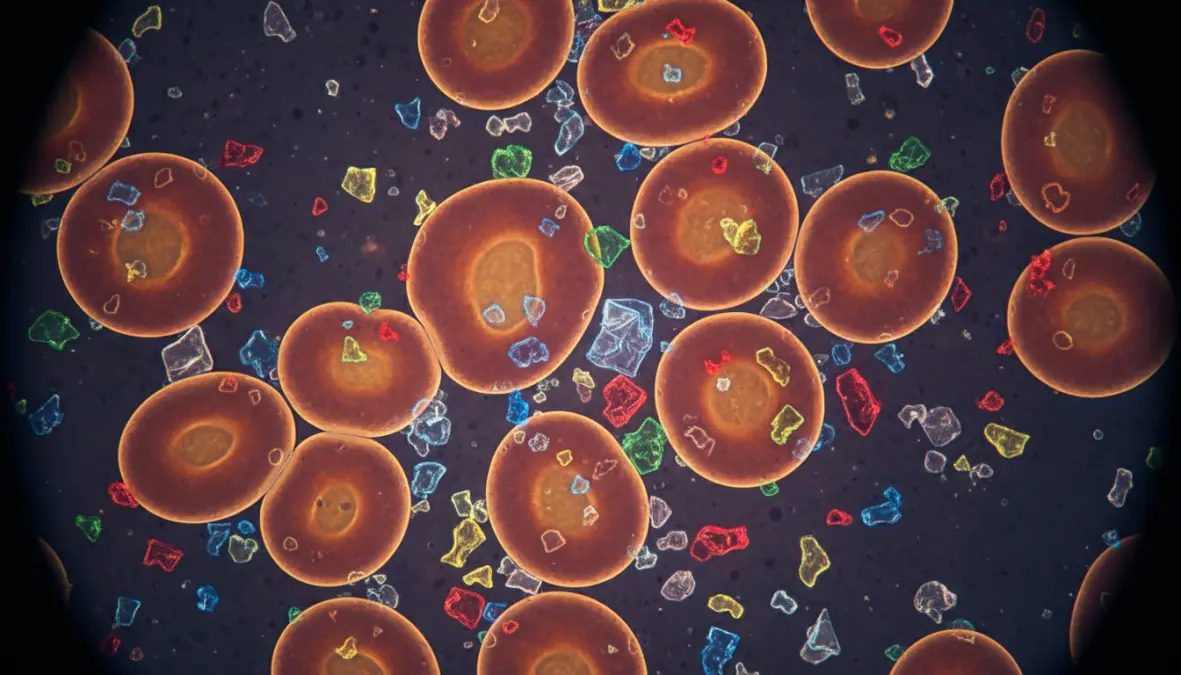
The evidence of microplastics found in human blood and organs has grown substantially. A groundbreaking study detected plastic particles in 80% of blood samples tested, with polyethylene terephthalate (PET) and polystyrene among the most common polymers identified. Concentrations averaged 1.6 micrograms per milliliter—small amounts, but their mere presence raises questions about long-term accumulation.
Lung tissue examinations revealed microplastics embedded deep within the respiratory system, particularly in people living in urban areas with higher air pollution. Researchers found 39 microplastics per gram of tissue in some samples, with 12 different polymer types identified. The placenta has also been breached—scientists discovered microplastic particles in placentas from healthy pregnancies, suggesting these contaminants can reach developing babies. The liver and intestines, being primary filtration and digestion organs, have likewise shown plastic particles organs contamination, though research into their functional impact continues.
Potential Long-Term Health Risks According to Current Science
When asking are microplastics dangerous to human health, scientists emphasize that we’re still in the early stages of understanding. The potential for chronic inflammation stands out as a primary concern. Persistent foreign particles can trigger ongoing immune responses, potentially contributing to various diseases linked to inflammation.
The long term effects of microplastic ingestion remain largely unknown because widespread human exposure is a relatively recent phenomenon. Researchers hypothesize connections to rising rates of inflammatory bowel disease, autoimmune conditions, and metabolic disorders, but establishing causation requires extensive longitudinal studies tracking people over decades.
Fertility concerns are emerging, with animal research showing sperm count reductions and hormonal disruptions. Given declining fertility rates globally, some scientists wonder if microplastics play a contributory role. Developmental impacts on children represent another urgent research priority, as growing bodies may be more vulnerable to endocrine disruption and toxic exposures.
The scientific community acknowledges significant gaps. Most studies on scientific studies on microplastics and health face challenges in determining safe exposure levels, identifying which plastic types pose the greatest risks, and separating microplastic effects from other environmental contaminants. More comprehensive, long-term human studies are desperately needed.

FAQ: Common Questions About Microplastics and Health
Can microplastics be removed from the body?
Our bodies have natural elimination mechanisms—some microplastics likely pass through the digestive system and are excreted. However, research suggests smaller nanoplastics can cross biological barriers and accumulate in tissues. Currently, no proven medical treatments exist to remove embedded microplastics, making prevention through reduced exposure the best strategy.
What foods contain the most microplastics?
Seafood, particularly shellfish like mussels and oysters that filter large volumes of water, typically contains higher concentrations. Bottled water, sea salt, and honey have also tested positive. Processed foods in plastic packaging may absorb particles. Choosing fresh, minimally packaged foods and filtering drinking water can help reduce intake.
Are microplastics dangerous to human health?
Current evidence suggests potential risks, but definitive answers await more research. The presence of plastics in vital organs and bloodstream is concerning, and animal studies show harmful effects. However, human health impacts at typical exposure levels remain incompletely understood. Precautionary reduction of exposure seems prudent given emerging evidence.
How can I reduce microplastic exposure?
Several ways to reduce microplastic exposure include: avoiding heating food in plastic containers, using reusable glass or stainless steel bottles, choosing natural fiber clothing, vacuuming regularly to remove household dust, eating fresh foods with minimal packaging, and filtering tap water. These small changes can meaningfully decrease your daily intake.
Do water filters remove microplastics?
Yes, certain filtration systems effectively remove microplastics. Reverse osmosis filters capture the smallest particles, while activated carbon and nanofiltration systems also show good results. Standard pitcher filters provide some reduction but aren’t as comprehensive. Check manufacturer specifications for microplastic removal capabilities before purchasing.
The microplastics invading our bodies represent an unprecedented environmental health challenge. While research continues uncovering the extent of contamination and potential risks, we needn’t wait for complete scientific consensus to take protective action. By making conscious choices about the products we use, the water we drink, and the food we eat, we can minimize our exposure while scientists work toward understanding the full implications of living in a plastic-saturated world. The conversation about microplastics isn’t just about environmental protection anymore—it’s deeply personal, affecting the very cells and organs that keep us alive.